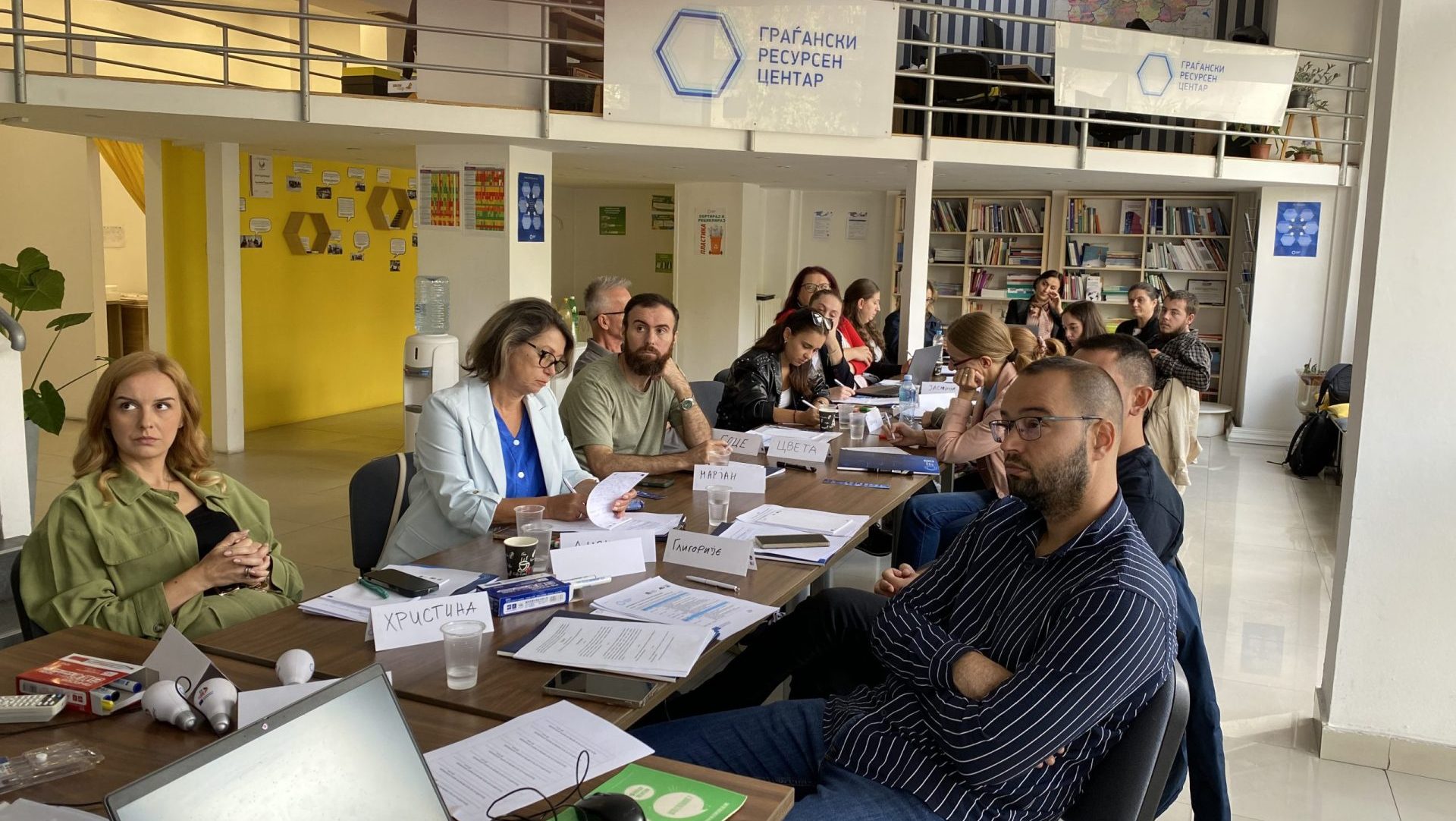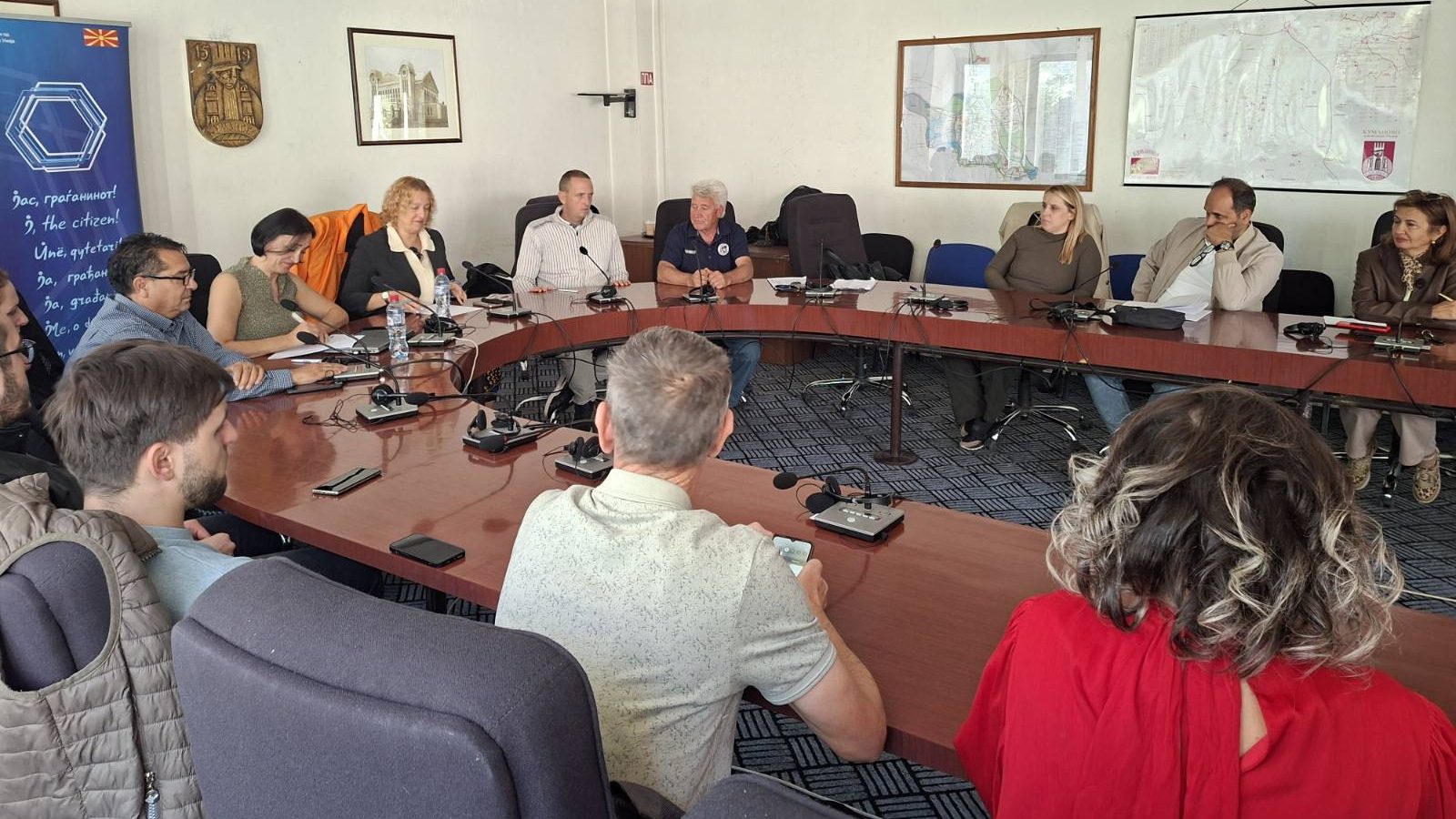
On October 1, 2026, representatives of the Council for Cooperation between the Government and Civil Society met with civil society organisations and activists from the Northeastern region. The meeting focused on the role, work, and cooperation with the Council—a key mechanism for fostering dialogue between institutions and civil society organisations.
Ahmet Jasharovski from the Roma Community Centre DROM Kumanovo, a deputy member of the Council representing the field of culture, welcomed the attendees with opening remarks. Nikica Kusinikova from the Association Konekt (Skopje), chairperson of the Council, and Valentina Velichkovska, a Council member representing the field of civil society development, spoke about the Council's role and activities.
They presented the Council’s Work Program for 2025–2026, which was adopted in September 2025. During this period, the Council is focusing on providing input on laws and policies significant to civil society, including amendments to the Law on Associations and Foundations, the new Law on Social Enterprises, and the Law on Donations and Sponsorships in Public Activities. Improving the system of state funding for civil society organisations was highlighted as a key priority, including transforming the Code of Good Practice for Financial Support to Associations and Foundations into a legally binding act and the initiative to establish a guarantee fund. The Council also monitors the implementation of the Government’s Strategy for Cooperation with and Development of Civil Society (2025–2028) and pays special attention to improving communication and regular consultations with organisations across all planning regions. The program is a dynamic document that can be supplemented based on the needs and proposals of civil society organisations.
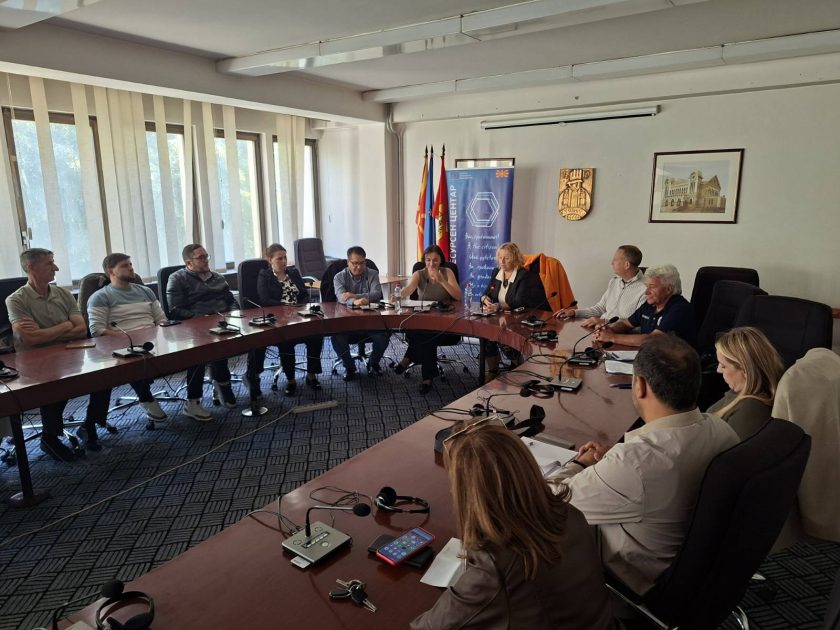
In the following open discussion, the organisations spoke candidly about the challenges they face in their daily operations and offered concrete proposals for improvement.
The issue of funding received the most attention. Participants pointed out that donors often set high criteria that are disproportionate to the small amounts of funding awarded. Newly established organisations face a particularly difficult situation, as they have almost no access to funds; most calls for proposals require an organisation to have been in existence for at least one year or longer. It was also highlighted that the allocation of funds to organisations—from both municipal and central budgets—lacks transparency. Organisations expressed concern regarding the lack of accountability for nepotism, deeming a genuine systemic reform necessary.
In this context, participants noted that politicization is far more prevalent at the local level and significantly impacts the operational opportunities for organisations in smaller communities. Proposed solutions included having municipalities establish funding programs for civil society organisations and delegate certain competencies to them, thereby enabling these organisations to become genuine partners in service delivery to citizens.
A specific proposal was also put forward regarding the Law on Free Legal Aid. The organisations believe that the implementation of the law needs to be improved and that institutions should issue calls enabling civil society organisations to provide free legal aid in accordance with the law.
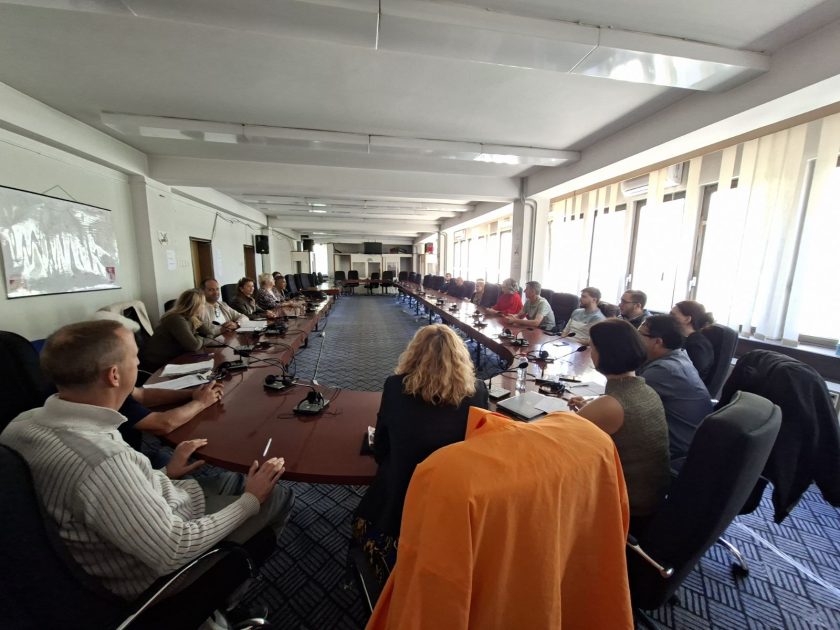
Participants also emphasized the need for greater visibility for civil society organisations, as well as for support at the local level. In this regard, a proposal was made to open a resource centre in Kumanovo—complementing the existing centres in Skopje, Štip, and Gostivar—to better address the needs of organisations in the Northeastern region. It was noted that the project has already engaged a regional expert, Žaklina Cvetkovska, who provides on-the-ground support to organisations in the Northeastern region.
The discussion concluded with a concerning observation: some organisations felt that the non-governmental sector is dying out, civic activism is diminishing, volunteerism is on the decline, and enthusiasm for the work is waning. These assessments further underscored the need for open dialogue and systematic support for civil society, particularly outside the capital.
The proposals and comments from the meeting will be submitted to the Council for Cooperation between the Government and Civil Society, contributing to the Council's ongoing work and the improvement of support for civil society.
The meeting concluded with an informal gathering, allowing participants to exchange experiences, network, and strengthen cooperation among local organisations.
This event is organised within the project "EU Support to the Civil Society Resource Centre – Phase 2," funded by the European Union and implemented by the Civic Resource Centre, the Macedonian Center for International Cooperation, the Association for Democratic Initiatives (ADI) from Gostivar, and Media Plus from Shtip.