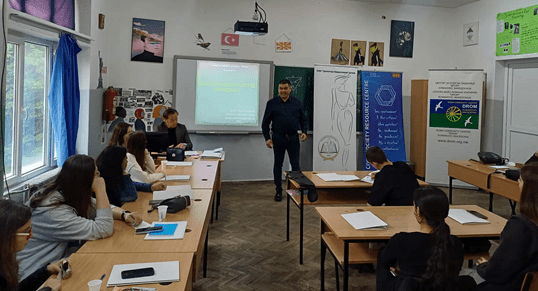
Corruption is a deeply rooted issue in various aspects of Macedonian society, and its presence does not go unnoticed by the youngest members. According to Professor Marjan Nikolovski from the Faculty of Security in Skopje, young people not only recognize corruption in their environment but also witness its existence in education and daily life. These observations were made following the Anti-Corruption Initiatives Workshop held on May 16, 2025, with high school students from "Dimitar Mirasciev" Secondary School in Štip.
According to the expressed views of the youth, corruption is no longer limited to classic bribery but also manifests in subtle forms, such as certain services that represent new modalities of corrupt behavior.
"Young people recognize corruption, especially in their surroundings. Through conversations, they showed us that, among other things, they identify new modalities of corruption in education, where, in a subtle way—not the classic form of giving and receiving bribes—this occurs through certain services via their parents, which is a form of corruption," said Professor Nikolovski.
One incident that awakened the youth's awareness of the seriousness of corruption and its consequences was the fire in Kočani. According to Nikolovski, this event demonstrated that anyone can be a victim of a corrupt system.
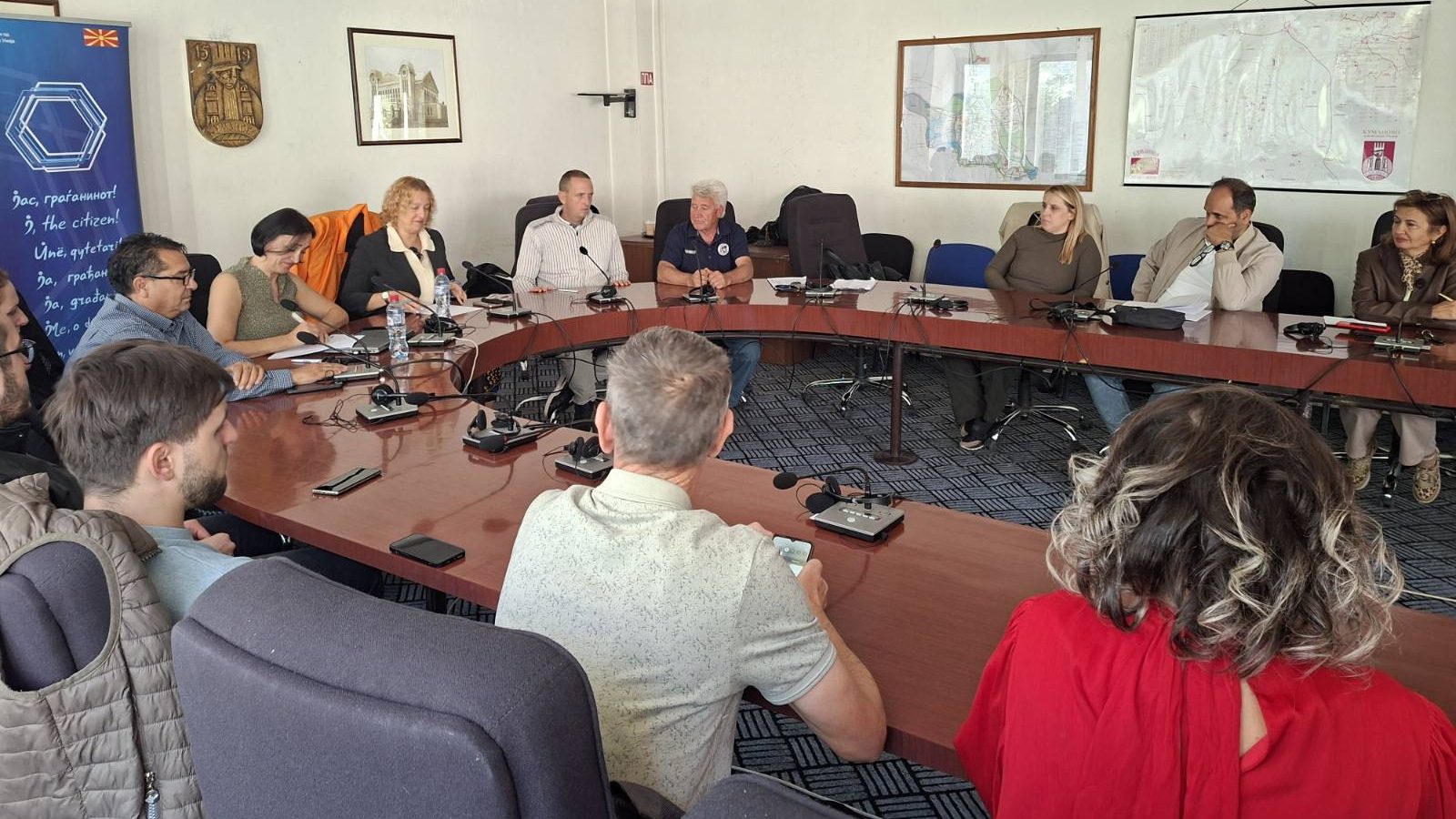
To help young people understand corruption and its consequences, workshops have been organized as part of this project, where they can share their opinions and experiences, as well as seek ways to combat corruption.


The project "Youth in the Fight Against Corruption" aims to educate students about the forms of corruption and encourage them to report corrupt activities. According to project coordinator Muarem Shakirovski – Gandhi, the initiative is a result of alarming data from European reports showing that Macedonia has dropped more than 20 places in the corruption rankings over the past four years.
"Surveys conducted among students show that a large percentage of them identify corruption as bribery, and up to 80% of students admit to having noticed corrupt activities in their schools. However, many of them do not know how to prevent it or where to report it," said Shakirovski – Gandhi.
Within the nine-month project, four workshops are planned in two secondary schools in Kumanovo and one secondary school in Štip. As a result of the workshops, students are expected to propose anti-corruption initiatives and learn how to act against corruption.
According to experts, the end of corruption is possible if successful practices from abroad are studied and applied. With education and active engagement of young people, the fight against corruption can begin at school, creating the foundation for a fairer and more transparent society.
As part of the project activities, there is also a visit to institutions whose jurisdiction is the fight against corruption. After completing the workshop, high school students from Shtip visited the office of the Ombudsman from Shtip, where they received information about what kind of protection they as citizens can receive from this institution. In the coming period, a visit to the State Commission for the Prevention of Corruption (SCPC) is also planned within the framework of the project.
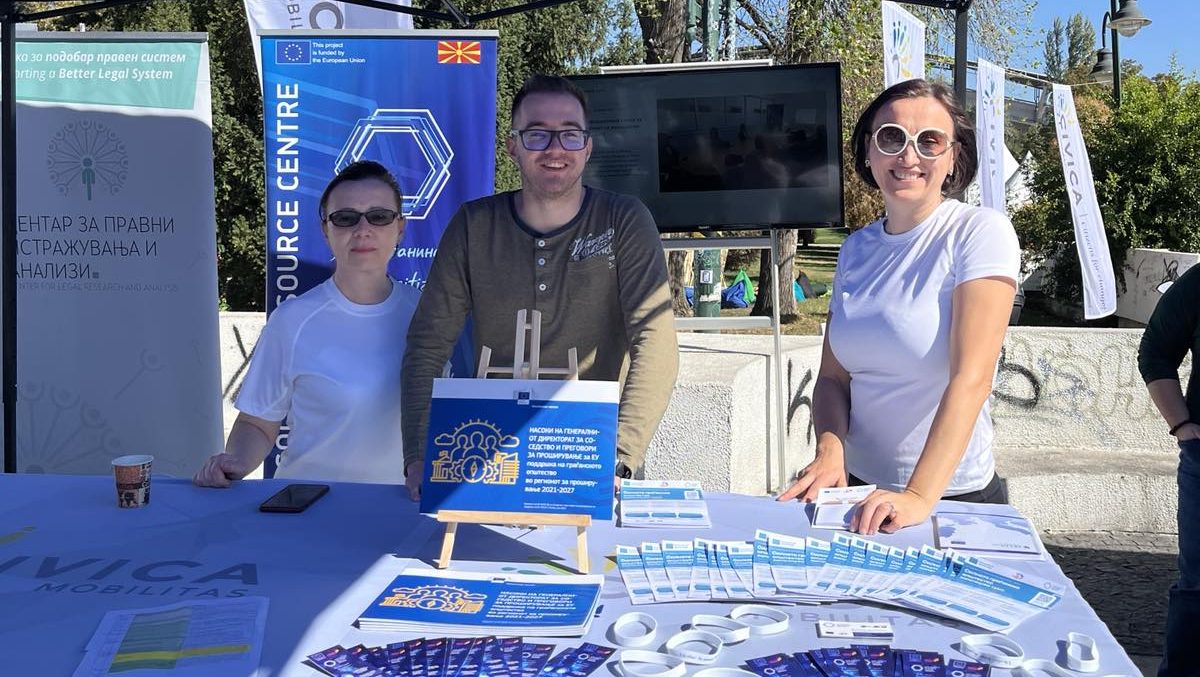
“Youth in the fight against corruption” is a project implemented by the Roma Community Center “DROM” in partnership with the Association of Multiethnic Society for Human Rights Shtip. This project is a sub-grant received within the framework of the project “EU Support for the Civic Resource Center – Phase 2” funded by the European Union. The content of the workshop does not necessarily reflect the views of the European Union and the Civic Resource Centre.