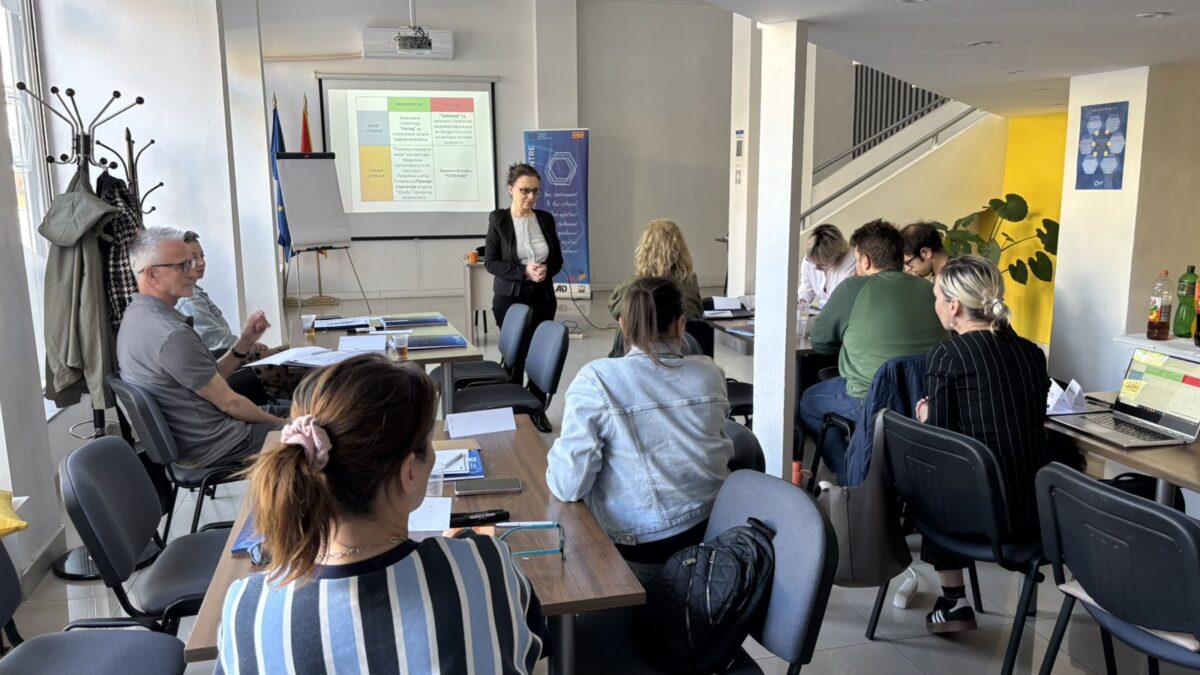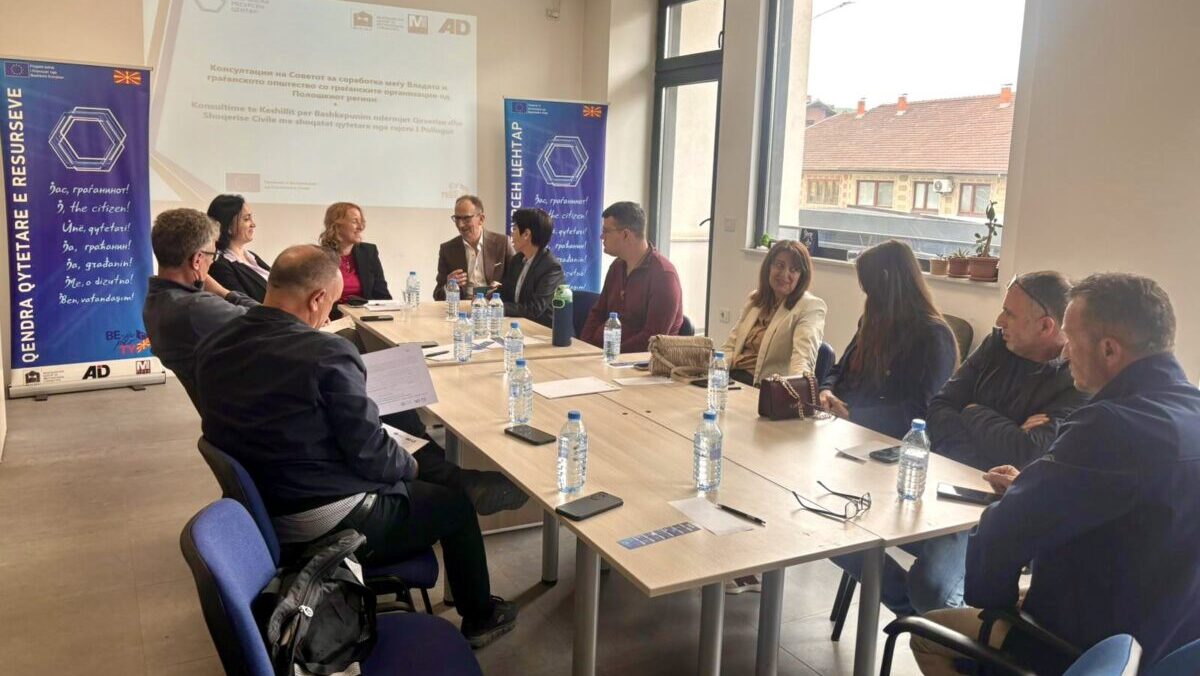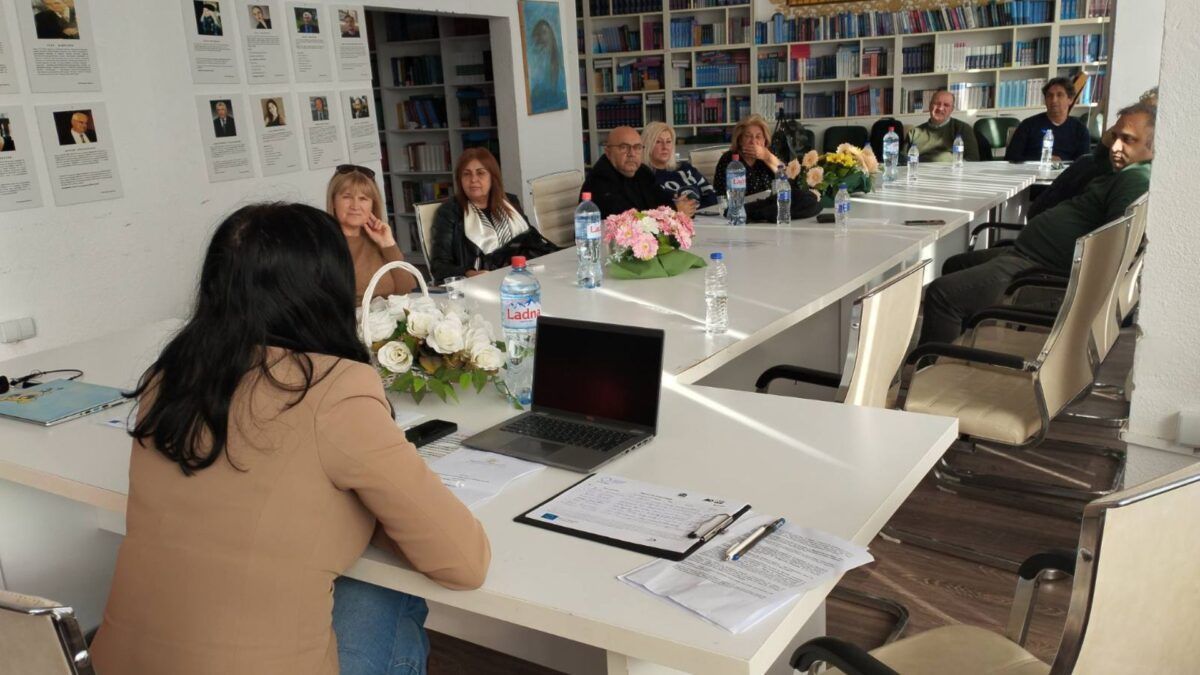
On 1st December 2025, the Civic Resource Centre organised a regional debate with civil society organisations from the East region. The event was held in Delchevo and provided an open discussion on the current challenges facing the organisations, the environment in which they operate, and the factors that influence their daily work.
One of the main topics of the meeting was the work of the Council for Cooperation between the Government and Civil Society, and above all, the Council's Work Program for 2026. The program was presented to the attendees, who had the opportunity to give their suggestions for initiatives that could be launched through the Council. Valentina Velichkovska, member of the Council for civil society development, emphasized that "the members of the Council from civil society organisations are not in the Council to represent only their organisations, but all civil society organisations. Therefore, it is crucial for all organisations to know what the Council does, who they represent in the Council, and how they can convey their views and needs to the members."
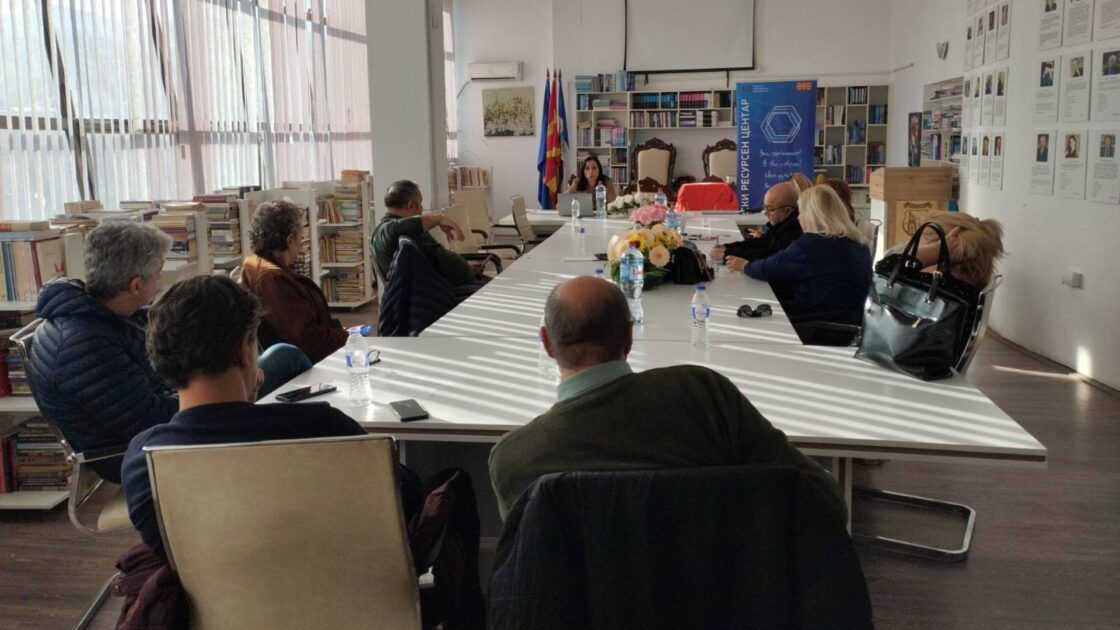
The participants actively engaged in the discussion, sharing specific experiences and examples from their work, pointing out specific challenges from their daily work that could be on the agenda of the next sessions of the Council.
Some of the challenges highlighted by most of the organisations present were the long waiting time for receiving confirmation from the Ministry of European Affairs for registering projects/donations in the Central Database for Foreign Aid for the purposes of exemption from value added tax, as well as the limited possibility to submit a request for issuing a decision for registration of a taxpayer for projects only in the Skopje office of the Public Revenue Office, which represents a significant burden for organisations from other regions. It was emphasized that the Public Revenue Office should digitize this service for civil society organisations in order to have a more efficient and accessible procedure. In addition to the issue of transparency of state funding for civil society organisations, those present also raised the issue of calls from competent government institutions to civil society organisations for the provision of services, highlighting the complexity of the procedures and conditions specified in the call for funding for organisations providing social services. Some participants also pointed out that for the third year in a row the competent ministry has not published a call for the provision of free legal aid.
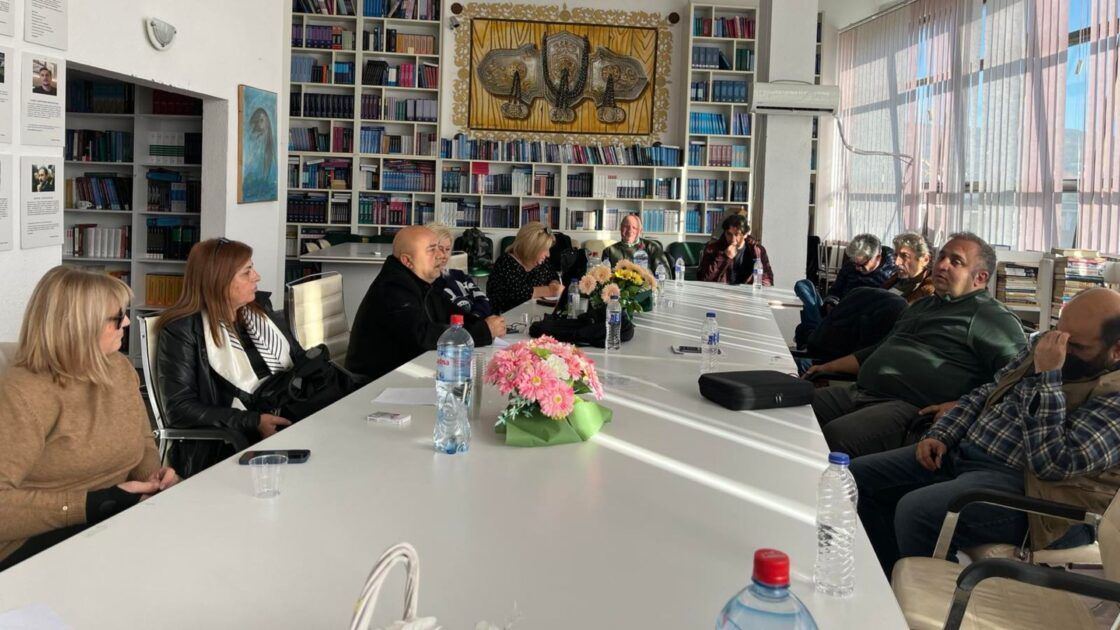
The organisations also highlighted the need for increased media visibility of their work and achievements, i.e. a more active presence in traditional and online media. Some of those present suggested working on improving the relationship with the media in order to establish regular inclusion of civil society organisations in radio and television programs as well as the presence of media releases online. This part of the discussion also pointed out the need to strengthen the capacities of civil society organisations for communications, visibility and their representation in the public.
At the event, local organisations were also introduced to the services provided by the Civic Resource Centre, such as capacity building activities, sharing information on funding opportunities for organisations, advisory support, opportunities for using space in Skopje, Shtip and Gostivar, and a number of other services.
The event was organised within the project "EU Support to the Civil Society Resource Centre - Phase 2", funded by the European Union, and implemented by the National Civil Society Development Foundation Civic Resource Centre, the Macedonian Centre for International Cooperation (MCIC), Media Plus, Shtip and the Association for Democratic Initiatives - ADI, Gostivar.