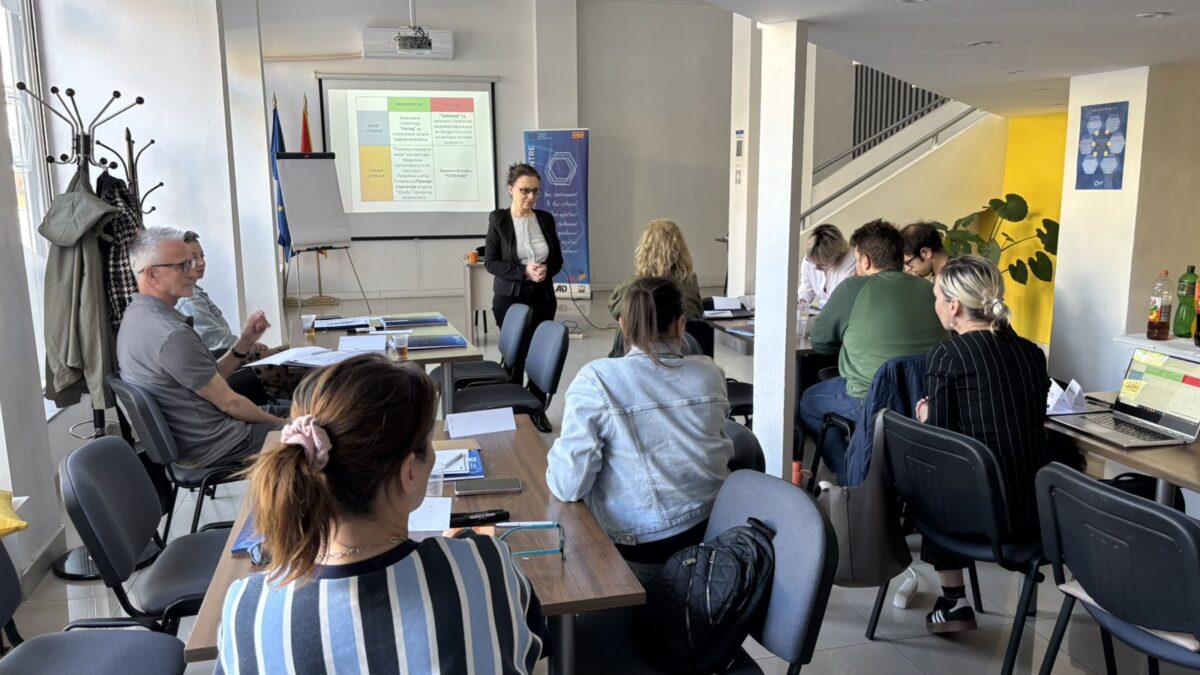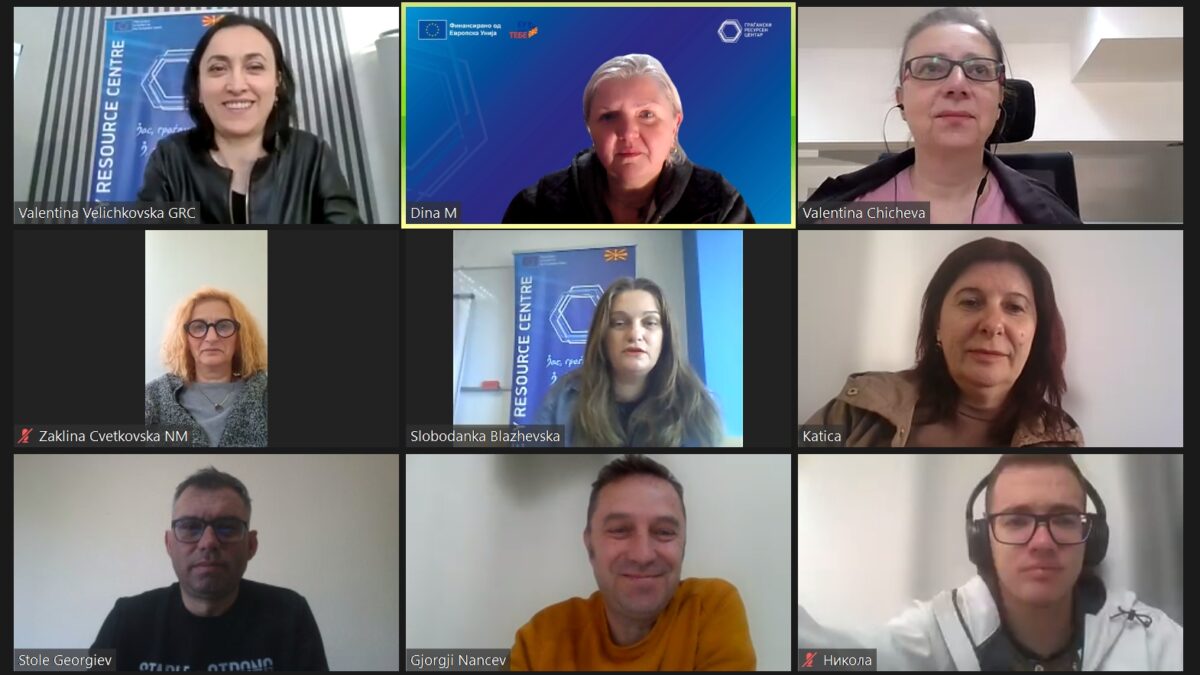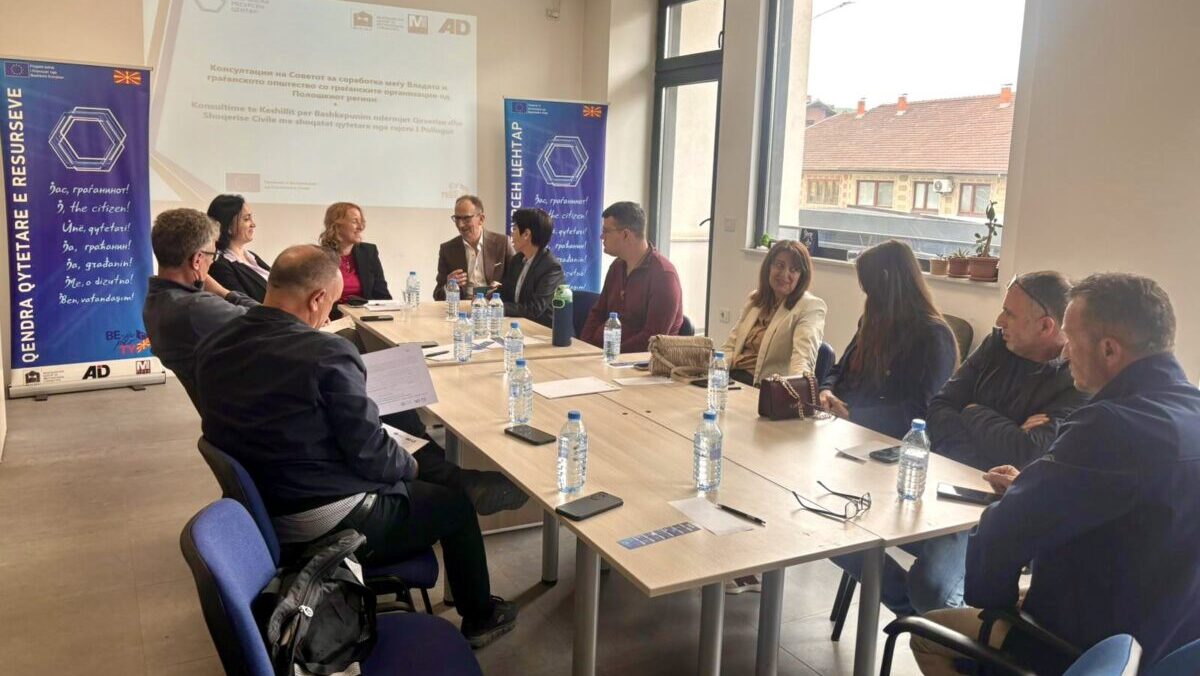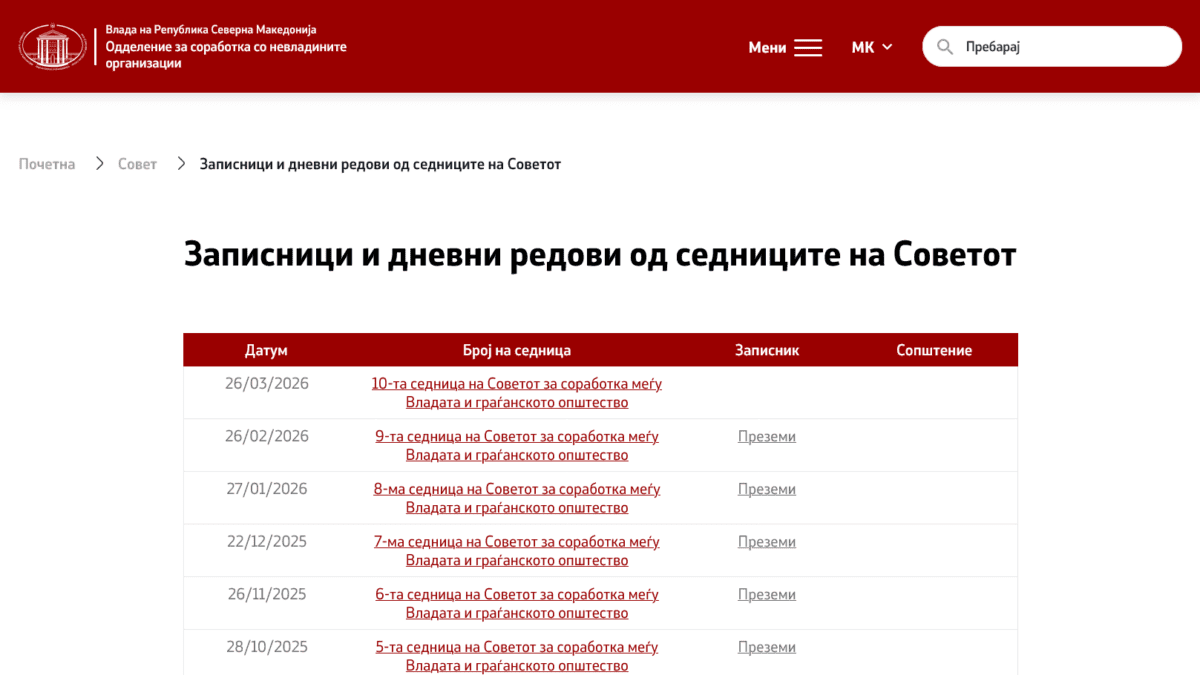
In 2025, the Council for Cooperation between the Government and Civil Society demonstrated intensive and dynamic work, reaffirming its role as an important mechanism for dialogue and partnership between institutions and civil society. During the year, a total of 7 sessions were held, addressing current issues and public policies of relevance to the enabling environment, civil society participation in policymaking, and the financial sustainability of civil society organisations.
At its constitutive session, held on 7 April 2025, the new composition of the Council officially began its mandate. Nikica Kusinikova from the Association Konekt Skopje was elected president, while Bojana Bosilkova from the Ministry of Justice was elected deputy president. Throughout the year, the Council discussed 35 agenda items, reviewed 9 materials, submitted 2 written opinions to the Government, and nominated 13 representatives of civil society organisations to 6 advisory and working bodies of the Government and state administration.
It is particularly significant that the Council provided a positive opinion on the Government Strategy for Cooperation with and Development of Civil Society 2025–2028, recognising it as a key document for improving the legal framework, mechanisms for structured participation of civil society organisations, and their financial sustainability. The Council was also actively involved in contributing to the drafting of the Law on Associations and Foundations, particularly in the area of transparent public funding for civil society organisations. In addition, the Council reacted to specific procedures related to public funding, contributing to greater transparency and the correction of certain processes, such as extending a deadline for a public call and publishing a revised ranking list.
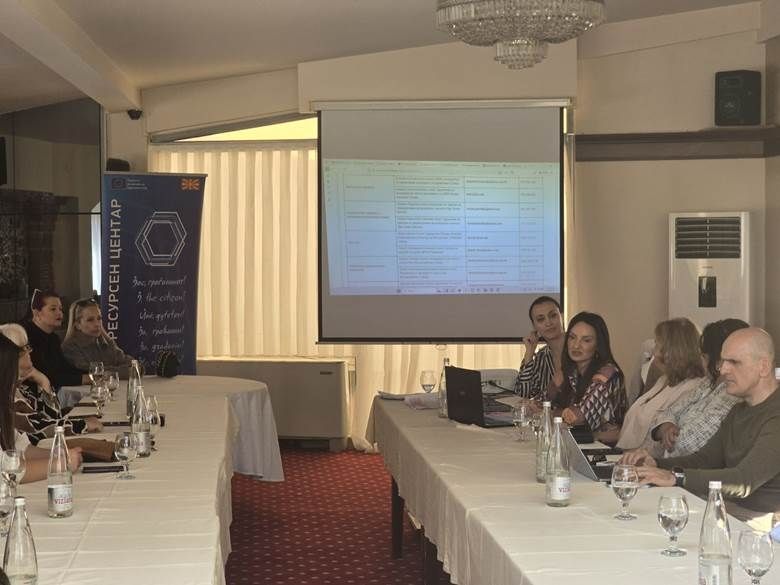
In 2025, the Council adopted a new Rules of Procedure and a Work Programme for 2025–2026, and established four working groups, including those focused on communications, cooperation with local organisations, and improving financial support for civil society organisations. Furthermore, the Council’s work was presented at numerous public events, debates, and meetings with organisations across the country, while information on its activities, conclusions, and opportunities for engagement was regularly shared through mailing lists and civil society networks.
Although the Annual Report also highlights certain challenges, particularly regarding the regular attendance of some institutional representatives and the need for greater visibility and recognition of the Council among civil society organisations, 2025 nonetheless confirmed the Council as an active and relevant body for cooperation, consultation, and participation of civil society in policymaking processes.
The Council will continue to strengthen its role as a Government advisory body for constructive dialogue and partnership between institutions and civil society, with a focus on increased inclusion, transparency, and impact in policymaking. At the same time, all civil society organisations are encouraged to actively engage in the work of the Council by sharing proposals, initiatives, and recommendations to the Council members from civil society, with the aim of jointly addressing key challenges and improving the enabling environment for civil society development in the country.
Read more about the work of the Council at: https://nvosorabotka.gov.mk/mk-MK/sovet/zapisnici-i-dnevni-redovi-od-sednicite-na-sovetot